Professional Service
Heat Pump Installation & Maintenance - Air Source & Hybrid
We install and maintain heat pump systems across Greater Los Angeles and Ventura County, including hybrid systems with a gas furnace backup and ductless options. A properly installed heat pump delivers efficient heating and cooling in one system and can qualify for federal IRA tax credits of up to $2,000. Same-day availability on repair calls, free written estimates, and no dispatch fee on approved work.
Licensed & Insured Fast Scheduling Satisfaction Focused
We install heat pump systems across Greater Los Angeles and Ventura County, covering more than 30 communities where the climate runs from coastal Pacific temperatures of 58 to 80°F in Ventura and Malibu to extreme inland heat of 95 to 110°F in the Santa Clarita Valley. A heat pump handles both ends of that range efficiently when it is correctly sized and installed. Same-day availability on heat pump repair calls, free written estimates, and no dispatch fee on approved work.
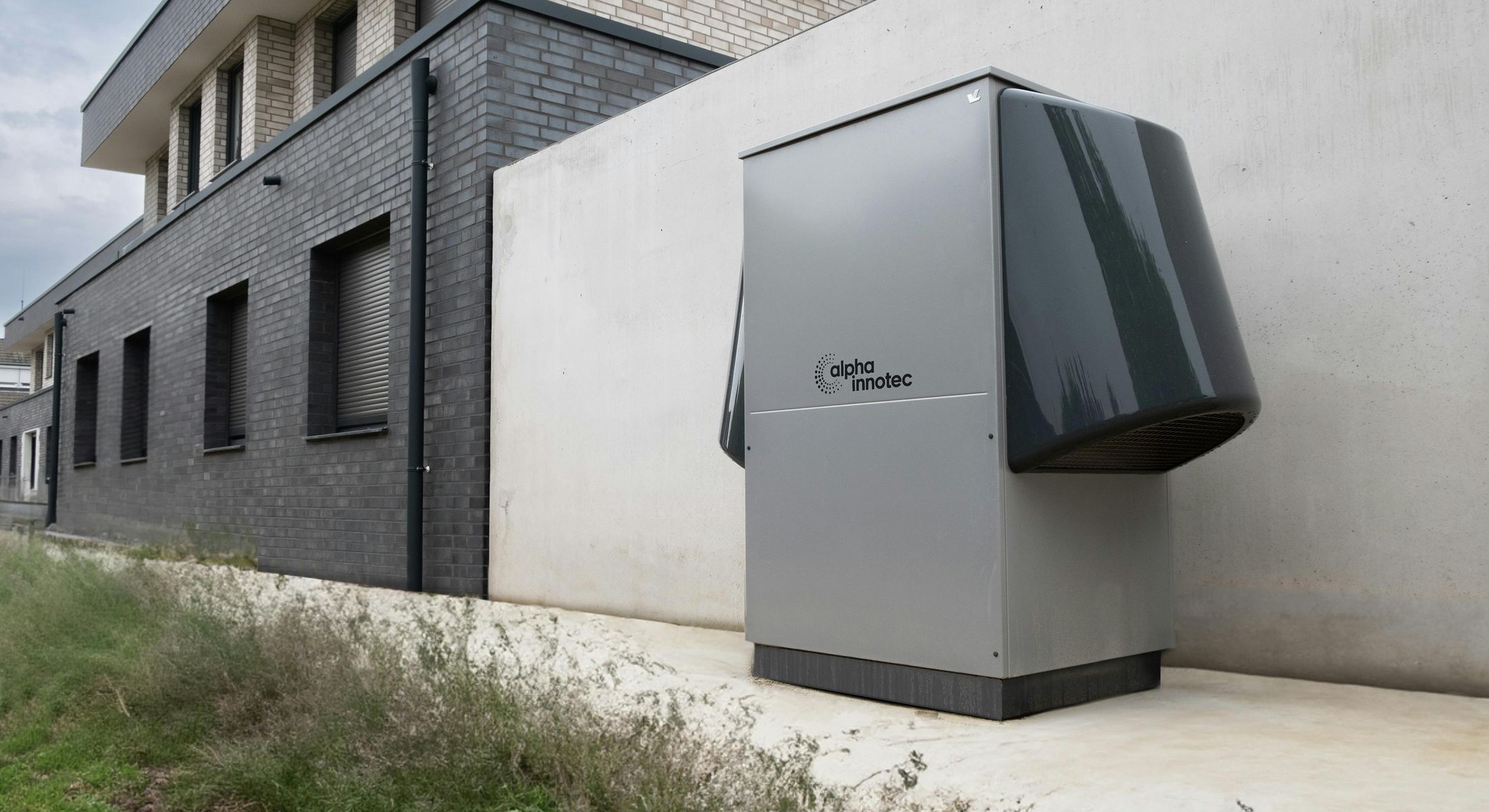
Heat pump installation starts with a Manual J load calculation, not a square footage estimate. Two homes with identical floor plans but different insulation, window area, ceiling height, and orientation need different capacity equipment. An oversized heat pump short-cycles in cooling mode and leaves high indoor humidity. An undersized unit runs continuously under peak load and never reaches setpoint. We perform the calculation before specifying any equipment. Central heat pump installation runs $4,000 to $8,500, and hybrid heating system installation runs $6,000 to $12,000.
A hybrid heating system is the most practical heat pump configuration for the inland communities across the San Fernando Valley, Santa Clarita Valley, and Conejo Valley. The heat pump runs as the primary heating source through the mild Southern California winter. When outdoor temperatures drop below 35 to 40°F, a gas furnace backup takes over, which is why a hybrid setup suits homes that already have an existing heating system. Federal IRA tax credits of up to $2,000 apply to qualifying heat pump systems in a hybrid configuration.
Ductless mini split heat pump installation is the right solution for the pre-1975 homes throughout the San Fernando Valley that were built without central ductwork, and for room additions, ADUs, and garage conversions where extending existing ductwork is not practical. A ductless mini split is a heat pump. It delivers both heating and cooling through a wall-mounted unit with a 3-inch wall penetration, so there is no duct retrofit. Single-zone systems run $2,500 to $4,500 installed. Multi-zone systems run $5,500 to $13,000.
Heat pump maintenance is not optional. It is what keeps the system operating at rated efficiency and keeps the manufacturer warranty valid. Annual maintenance at $100 to $250 covers coil cleaning, refrigerant level check, electrical connection inspection, capacitor testing, filter replacement, defrost cycle verification, and drain line flush. In Greater LA's climate, where heat pumps run nearly year-round, annual maintenance protects a $4,000 to $12,000 investment. Schedule before summer for cooling season readiness or before winter for heating season readiness.
Service Network
Areas We Serve
We provide Heat Pump Installation & Maintenance - Air Source & Hybrid throughout the region. Select your area for local service information.