Heat Pump vs Furnace California 2026: What California’s New HVAC Rules Mean for Your Home
Which System Saves More Money: Heat Pump or Furnace?
Energy rules and regulations in California are changed this year. So, homeowners with old heating systems have to decide accordingly. They have questions about prices, local utility bills, and relevant state laws. State regulators have set new building standards to minimize carbon emissions. These new rules have affected every homeowner who wants to replace their old heating and cooling appliances. They need to know about installation prices of new systems, their long-term efficiency, and total energy bills. This guide breaks down heat pump vs furnace California 2026 updates. You will learn about state laws, honest installation costs, and energy bills before choosing the best system according to your needs.
California HVAC Laws Changed in 2026
California has enforced new rules on January 1, 2026. According to this California Title 24 energy efficiency standards update, the state encourages electric home equipment over legacy gas units. This decision favors saving energy in buildings.
California Gas Furnace Ban Updates 2026
Many homeowners worry about California gas furnace ban updates 2026. State agencies voted to stop sales of new gas furnaces by 2030. However, existing working furnaces will remain completely legal to run, repair, and maintain. Though current laws allow gas equipment replacements, but contractors must meet higher basic efficiency standards.
Title 24 Code Requirements
It requires strict state compliance testing before installing new heating equipment. Installers must check for air leaks in your ducts and measure room airflow. They have to follow some legal formalities as well by filing digital permits with local authorities. You need to ensure your breaker panel can handle extra electrical load before switching from a gas furnace to a heat pump.
How Heat Pumps and Furnaces Work
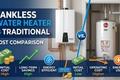
You can clarify functional differences if you understand how heating systems work. Gas furnaces burn natural gas and generate heat. A fan pushes the warm air into your home through a pipe.
An electric heat pump creates heat without burning any fuel. It uses electricity as its fuel source. It moves thermal energy from the outdoor air into your home.
- Primary Fuel Source: Gas furnace uses natural gas. Electric heat pump uses electricity.
- Year-Round Function: Gas furnace does heating only. Electric heat pump does heating and cooling.
- Energy Mechanism: Gas furnace creates heat. Electric heat pump transfers heat.
- Emissions: Gas furnace has on-site exhaust emissions. Electric heat pump has zero direct home emissions.
Heat Pump vs Furnace California 2026 Pros and Cons
There are clear differences in cost and performance when you compare heat pumps and gas furnaces. State laws in California are also different for them. So, you need to understand them well before choosing the better option for you.
Electric Heat Pump Advantages
Dual Functionality: An electric heat pump gives you heating and cooling both. You don’t need separate air conditioner.
Exceptional Efficiency: Heat pumps give you up to three times more energy as compared to the electricity they consume.
Home Safety: Heat pumps are safe for home use. They don’t burn fuel and produce harmful carbon monoxide in your home.
Compatible with Solar Energy: Rooftop solar panels give your electric heat pump energy during daytime. So, it lowers your grid electricity use. That’s how it is an affordable choice to have a heat pump.
Electric Heat Pump Drawbacks
Higher Upfront Investment: It costs you more than a normal gas furnace if you buy and install a heat pump.
Electrical Upgrades: Old homes with 100-amp breaker boxes often don’t offer enough lack power for modern heat pumps. Modern heat pumps need dedicated double-pole electrical circuits drawing 20 to 60 amps. A 100-amp main breaker panel has a limited total electrical capacity. You cannot run your air conditioner, kitchen appliances, and heat pumps at the same time on it. Otherwise, it will trip and create safety issues.
Gas Furnace Advantages
Lower Equipment Purchase Price: Basic gas furnaces and their installation are cheaper than heat pumps.
Rapid Heat Output: Furnaces are the best during freezing outdoor temperatures. They deliver a warm air supply quickly.
Gas Furnace Drawbacks
Single Purpose: Furnaces are only for heating purposes. You need to purchase a separate air-cooling system for hot days.
Gas Price Fluctuation: Rates of natural gas don’t stay stable. They rise and drop unpredictably during winter months. So, they are not affordable for budget-conscious homeowners.
Future Obsolescence: Gas furnaces will go out-of-fashion soon. Though existing gas units are legal to use, but if you wish to replace them with identical ones will become harder. Modern manufacturers are focusing on producing zero-emission units. Besides that, State environmental laws will phase out new gas furnace sales around 2030.
Upfront Costs: Heat Pump vs Furnace California 2026 Price
You need to evaluate total purchase and installation charges if you want to replace your equipment. There is a difference when you compare heat pump vs furnace price ranges.
Average Installation Price Breakdown
Gas Furnace Installation: A normal gas furnace replacement costs you between $4,000 and $7,500. It includes labor, permits, and basic duct connections. The cost will increase to $9,000–$14,000 if you add a central air conditioner installation.
Heat Pump Installation: A modern central heat pump system costs between $8,000 and $15,000. This cost covers heating and cooling functions in a single installation.
Additional Installation Expenses
Electrical Panel Upgrades: Charges for upgrading old breaker boxes to 200-amp are $2,500 to $4,500.
Duct Sealing and Repairs: According to Title 24 rules, duct leakage must be 10% to 15%. So, it adds $1,000 to $2,500 for duct repairs.
HERS Testing Fees: HERS is a State-recognized third-party inspection. It ensures your heating and cooling systems are working perfectly without wasting energy. This energy verification testing can cost you more or less $250 to $600 per project.
Is a Heat Pump Cheaper to Run Than a Gas Furnace in California?
Which one is cheaper? A heat pump or a gas furnace? It depends on utility, climate, and solar setups.
California power companies charge higher for electricity. Major companies like PG&E, SCE, and SDG&E charge around 32 to 45 cents per kilowatt-hour. This rate is almost double the national average. So, it makes power very expensive during peak usage hours. Heat pumps deliver 200% to 400% efficiency as they move existing heat instead of burning fuel. Gas furnaces show 96% efficiency because they burn gas and always lose some heat up the vent.
Homeowners with rooftop solar panels spend less while using a heat pump. It is a cheaper option because solar panels generate electricity directly from sunlight to run the system. But homes without solar panels pay higher utility rates for grid electricity. High power prices mean their winter heating bills for an electric heat pump will be the same as a gas furnace.
Do Heat Pumps Work Well in Southern California Winters?
Yes! Heat pumps perform well during cold Southern California winters. Compressors pull warmth from outdoor air even in freezing weather. Coastal cities and valley towns stay warm enough for these systems to run smoothly. Heat pumps keep your home comfortable without extra equipment in these regions.
Is Upgrading from Furnace to Heat Pump Worth It in CA?
Yes, you live in California and want to upgrade from a furnace to a heat pump, it is a good decision. The climate of Southern California, like Simi Valley, is mild. A heat pump acts as a heating and air conditioning system in one single unit. So, it completely replaces the need for a separate gas furnace and an exterior AC compressor.
2026 Rebates and Financial Incentives
State and federal programs offer financial incentives to balance heat pump purchase costs.
HEEHRA Program Rebates: Income-qualified homeowners can access direct point-of-sale discounts for heat pump installations.
TECH Clean California Incentives: Contractors subtract these discounts from your bill before you pay. Ultimately, you pay less for your new heat pump.
Federal Tax Credit Update: The federal Section 25C tax credit expired for heat pump installations completed after December 31, 2025, under the One Big Beautiful Bill Act. It does not apply to systems installed in 2026, though installations completed by December 31, 2025 may still qualify on a 2025 tax return.
Electrical Panel Upgrades: The federal tax credit that once applied to panel upgrades paired with a heat pump installation also expired after December 31, 2025. Check with a tax professional and your utility for state or local rebates that may still apply to panel work in 2026.
Working with Local Experts in Simi Valley, California
So, you want to upgrade your home heating system? You have to call skilled local technicians. They must be aware of local building codes and climate demands. Being a homeowner in Ventura County you need accurate heat calculations, city permits, and rebate assistance.
The HVAC Services Team offers heating, cooling, and heat pump installations in Simi Valley, California. HVAC Services Team connects homeowners with licensed local partner professionals who understand all the legal formalities like:
- Title 24 papers
- Duct checks
- Power box inspections
- Rebate forms
The answer to your online query heat pump vs furnace California 2026 depends on your plans, unit age, and home setup. Heat pumps give high energy efficiency, heating, cooling, and state rebate money. Gas furnaces cost less money at first if your house already has a working air conditioner. You should check the unit's age and get local quotes. After that, you have to review rebate options before purchasing.
Once you decide what you really want, contact the HVAC Services Team in Simi Valley, California, to proceed!
FAQs
Does a heat pump improve my home’s indoor air quality?
Yes. Heat pumps do not burn fossil fuels. So, there is no risk of carbon monoxide leaks or indoor combustion fumes.
Can I keep my existing air ducts when switching to a heat pump?
Yes, you can, but your ductwork must be in good condition. However, California Title 24 rules demand installers to test and seal duct leaks. That’s how air loss remains under state-mandated limits.
What maintenance does a heat pump require?
Heat pumps need routine servicing twice a year. Once before the summer and once before the winter. Ensure the followings as well:
- Coils should be clear
- Refrigerant levels should be checked
- Air filters must be replaced
What is a dual-fuel system, and do I need one in California?
A dual-fuel system connects an electric heat pump with a backup gas furnace. Homeowners in cold mountain regions benefit from dual-fuel setups, but coastal and valley homes rarely need them.
Does a heat pump blow hot air like a gas furnace?
No. Gas furnaces blow short bursts of very hot air. But heat pumps deliver a constant stream of milder warm air.
About the Author

HVAC Services Team