How to Protect Pipes From Freezing in Simi Valley, CA

Most homeowners in Simi Valley don’t expect freezing temperatures, but during rare winter cold snaps, overnight lows can dip near or below freezing—putting uninsulated pipes at serious risk.
The HVAC Services team provides solution-based HVAC services that help homeowners maintain consistent indoor temperatures and protect vulnerable plumbing systems before cold weather causes damage. Frozen pipes can burst, leading to costly water damage, mold growth, and emergency repairs across Simi Valley and Ventura County.
If you’re searching for how to protect pipes from freezing in Simi Valley, CA, the good news is that a few practical steps can significantly reduce the risk.
How to Prevent Frozen Pipes in Simi Valley
To protect pipes from freezing in Simi Valley homes:
- Insulate exposed pipes in attics, garages, crawl spaces, and exterior walls
- Seal air leaks around vents, doors, and pipe entry points
- Keep indoor temperatures consistent, even overnight
- Let faucets drip slightly during extreme cold
- Disconnect outdoor hoses and shut off exterior water lines
These steps are especially important for homes in Simi Valley, Thousand Oaks, and Moorpark, where overnight temperature drops can be sudden.
Why Pipes Freeze in Simi Valley Homes
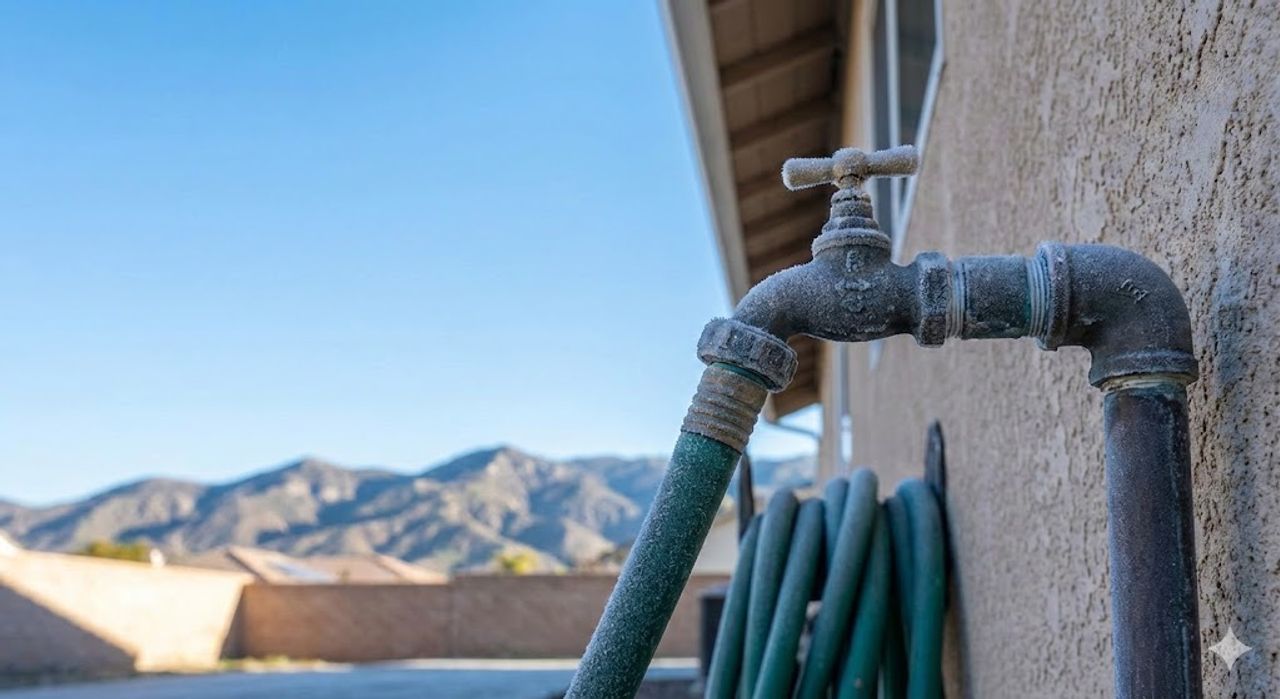
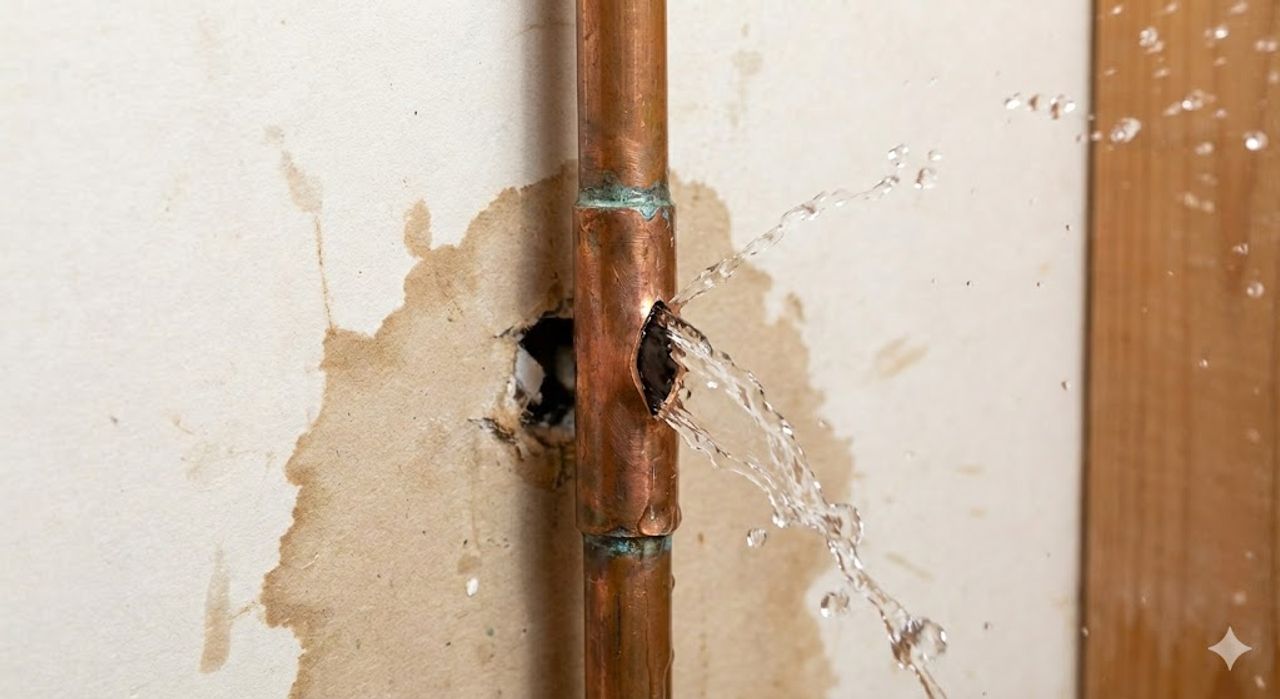
Water freezes at 32°F, but pipes usually freeze when temperatures stay low for several hours. As water freezes, it expands and builds pressure inside the pipe, often causing cracks or bursts once the ice thaws.
Many Simi Valley homes have plumbing exterior walls, garages, crawl spaces, and attics — areas that cool quickly during overnight cold snaps. According to the Insurance Institute for Business & Home Safety, burst pipes are among the most common and expensive causes of winter home damage.
High-Risk Areas for Frozen Pipes in Simi Valley, CA
Homeowners in Ventura County should pay close attention to:
- Garages and laundry rooms
- Crawl spaces under raised foundations
- Attics with exposed plumbing
- Exterior-facing walls
- Outdoor spigots and irrigation systems
- Areas near drafty windows and doors
Even enclosed areas can freeze if cold air enters through unsealed gaps.
How to Protect Pipes From Freezing
1. Insulate Exposed Pipes
Pipe insulation is one of the most effective ways to prevent freezing. Insulate pipes in attics, garages, crawl spaces, and exterior walls using foam sleeves or insulated fittings.
2. Seal Air Leaks
Cold air infiltration is a major cause of frozen pipes. Seal gaps around foundations, vents, and pipe penetrations. The U.S. Department of Energy recommends air sealing to prevent cold air from reaching plumbing lines.
3. Maintain Consistent Indoor Heat
Keep your thermostat set to at least 55°F, even when you’re away The American Red Cross advises steady indoor heat as a primary defense against frozen pipes.
4. Let Faucets Drip
Allow faucets on exterior walls to drip slightly during freezing weather. Moving water helps prevent ice formation and relieves pressure inside pipes.
5. Protect Outdoor Plumbing
Disconnect hoses, drain outdoor spigots, and shut off exterior water lines. The EPA’s plumbing protection guidance highlights this as a key prevention step.
Warning Signs of Frozen Pipes
- Weak or slow water flow
- Hot water works but cold water doesn’t
- Banging sounds inside walls
- Frost on exposed pipes
Act quickly if you notice these signs.
What to Do If Pipes Freeze or Burst In Simi Valley, CA
Panic is the enemy. If you suspect a freeze, follow this protocol immediately.
If Pipes Are Frozen (But Not Burst):
- Keep the Faucet Open: As you treat the frozen pipe and the ice begins to melt, water needs to flow through to help melt the rest of the ice.
- Apply Heat: Use a hair dryer, a portable space heater, or towels soaked in hot water wrapped around the pipe. Start from the faucet end and work your way back toward the frozen section.
- Check Other Faucets: If one pipe freezes, others may be vulnerable.
- DO NOT USE OPEN FLAMES: Never use a blowtorch, propane heater, or charcoal stove on pipes. This is a major fire hazard and can damage the pipe material.
If a Pipe Bursts:
- Shut Off the Main Water Valve: Every homeowner in Simi Valley should know where this is (usually near the street or on the front exterior wall). Turn it clockwise to cut the supply.
- Shut Off Electricity: If the leak is near electrical appliances or your fuse box, cut the power to that section of the house.
- Call a Professional: Contact a licensed plumber immediately for repairs.
- Call a Restoration Company: If there is standing water, rapid drying is essential to prevent mold.
Frequently Asked Questions (FAQs)
We receive many questions from Simi Valley residents regarding winter home care. Here are the most common queries about frozen pipes.
Q: At what temperature do pipes actually freeze?
A: While water freezes at 32°F, pipes inside a home generally don’t freeze until the outside temperature drops to 20°F or lower. However, pipes exposed to wind chill (in crawl spaces) or those with zero insulation can freeze at temperatures closer to 32°F. In Simi Valley, wind chill factors in the hills can accelerate this process.
Q: Does homeowner's insurance cover burst pipes?
A: Generally, yes—but there is a catch. Most standard policies cover the damage caused by the water (ruined floors, drywall). They often do not cover the cost of repairing the pipe itself.
Q: Can I put antifreeze in my pipes?
A: NEVER put automotive antifreeze in your plumbing; it is toxic and can contaminate the municipal water supply.
Q: How long does it take for a pipe to freeze?
A: It depends on insulation and location. An exposed ¾-inch copper pipe in a windy crawl space can freeze in as little as 3 to 6 hours of sub-freezing temperatures.
Q: I have a tankless water heater on the outside of my house. Is it safe?
A: Exterior tankless units are common in California. Most modern units have built-in ceramic heaters that activate when the temperature drops to prevent the internal exchanger from freezing.
Q: Should I drip hot or cold water?
A: Dripping cold water is usually sufficient and cheaper. However, if the pipe that is prone to freezing is a hot water supply line, you should drip the hot side.
Final Thoughts
Frozen pipes are a rarity in Simi Valley, which is exactly what makes them so dangerous. Because we don't deal with it daily, we let our guard down. But when the temperatures in Thousand Oaks, Moorpark, and Simi Valley drop, the damage occurs largely because our homes aren’t built for prolonged cold.
Insulation, air sealing, steady indoor temperatures, and outdoor pipe protection are the most effective defenses.
If you are concerned about your home’s ability to withstand winter temperatures—whether it’s drafty rooms, an inefficient furnace, or concerns about insulation—reach out to the HVAC Services team. We provide solution-based services that improve your home’s efficiency, comfort, and safety.
Don't wait for the weather report to turn blue. Take these practical steps today to ensure your home stays warm and dry all winter long.